
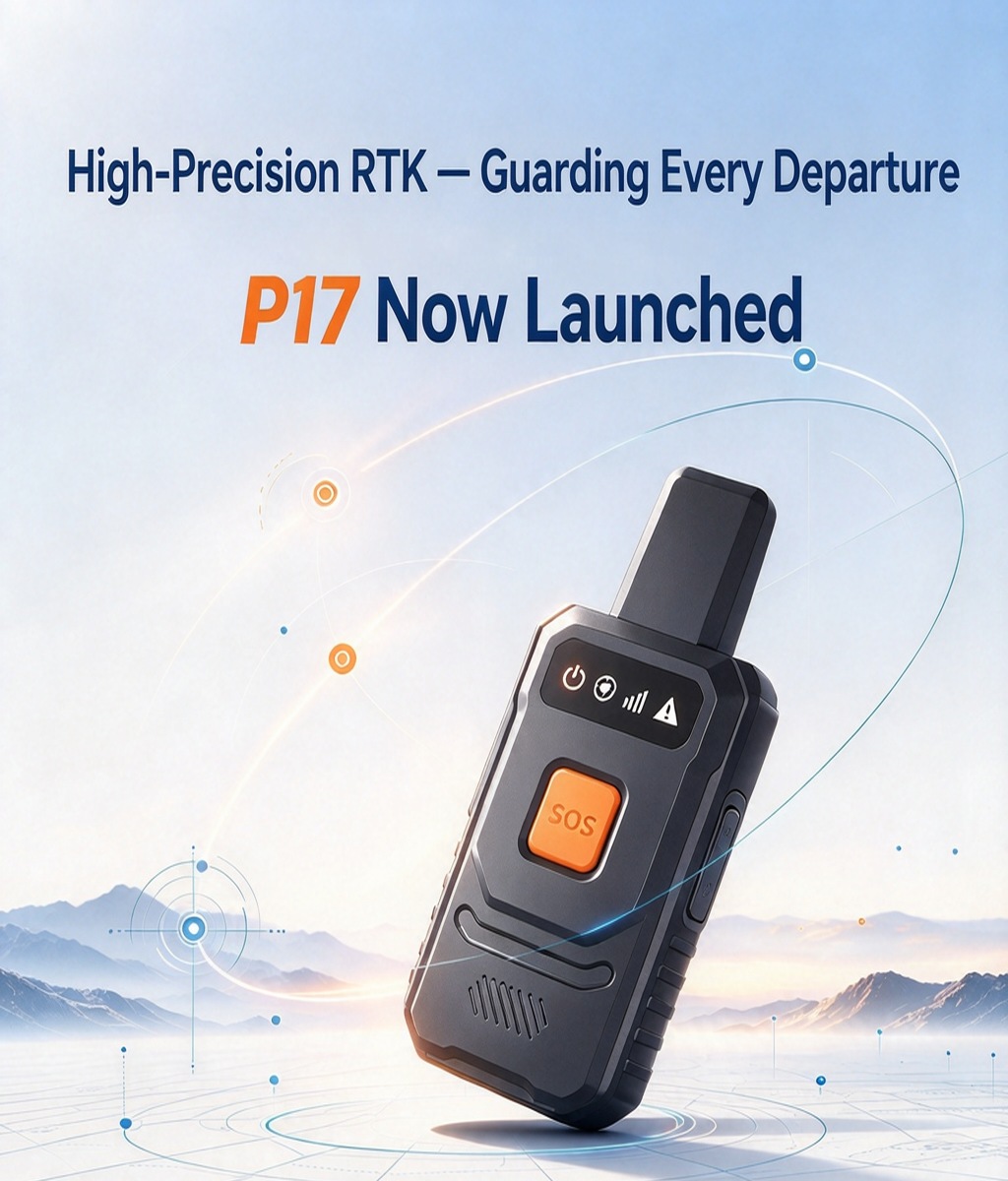
JUMPSTAR today released the P17, a handheld intelligent high-precision positioning terminal, together with the X11P RTK smart antenna. Both are aimed at the same problem: field inspection crews work in places where a phone fix and a paper checklist are not enough, and the platform back at the depot is left guessing where the work actually happened.
The P17 handheld RTK terminal is built to close that gap at the point where it matters — the moment a worker stands in front of an asset and needs to say "I was here, at this time."
Why the Last Metre Still Goes Unrecorded
Most inspection platforms can tell you which tasks were assigned and which ones were marked complete. Far fewer can tell you where the person stood when they did it. Three gaps cause this, and we see the same three in almost every deployment review:
- The location is recorded from memory — the operator knows which tower it was, but the system only receives a typed note hours later.
- Positions are typed back at the depot, so time and place stop matching the moment they were observed.
- When something goes wrong, nobody can reconstruct where the crew actually was, and the record becomes an argument instead of evidence.
Phone-grade positioning does not solve it either: a five-to-ten metre fix cannot separate two adjacent poles or two valves on one skid, and "somewhere along this stretch" is a guess with a timestamp, not a record.
One Device Instead of Four
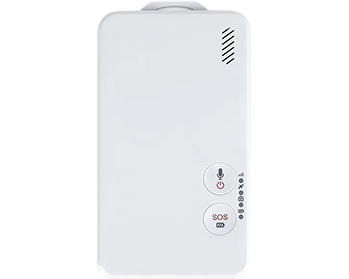
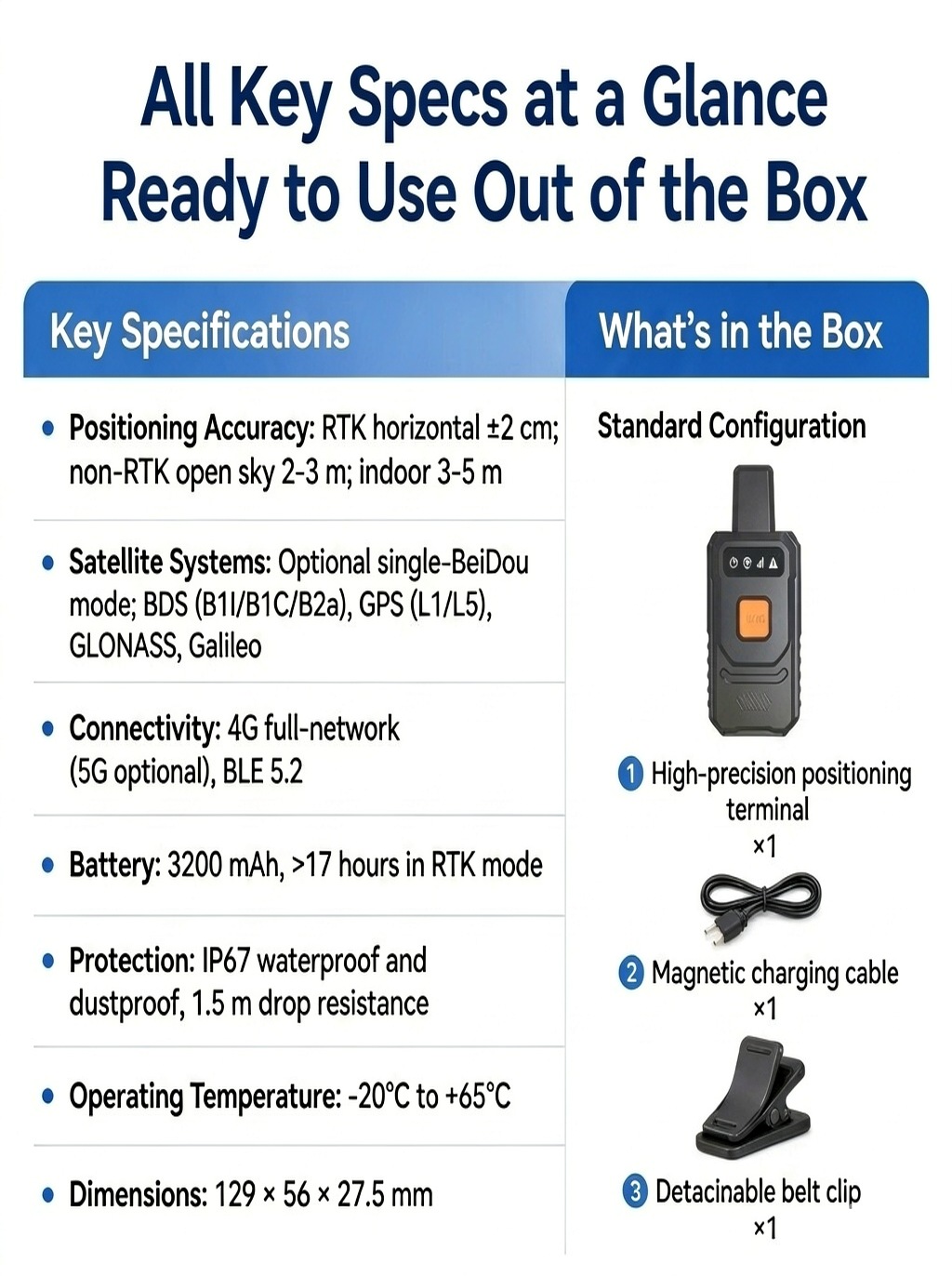
A typical inspection kit has grown into a phone, a separate handheld GPS, a radio and a paper book. The P17 folds these into a 129 × 56 × 27.5 mm body with a detachable belt clip, an external helical antenna, SIM and TF card slots, and a dedicated SOS key. Crews carry one thing and charge one thing.
P17 Handheld RTK Terminal at a Glance
| Item | P17 |
|---|---|
| Positioning accuracy | RTK horizontal ±2 cm (+1 ppm); 2–3 m in open sky without corrections; 3–5 m indoors over BLE 5.2 |
| Satellite systems | BDS B1I/B1C/B2a, GPS L1/L5, GLONASS, Galileo; single-BeiDou mode optional |
| Cellular | 4G full-network, 5G optional |
| Battery | 3200 mAh, over 17 hours in RTK mode |
| Protection | IP67, 1.5 m drop resistance, −20 °C to +65 °C |
| Dimensions | 129 × 56 × 27.5 mm |
| In the box | Terminal, magnetic charging cable, detachable belt clip |
One-Key Waypoint Reporting
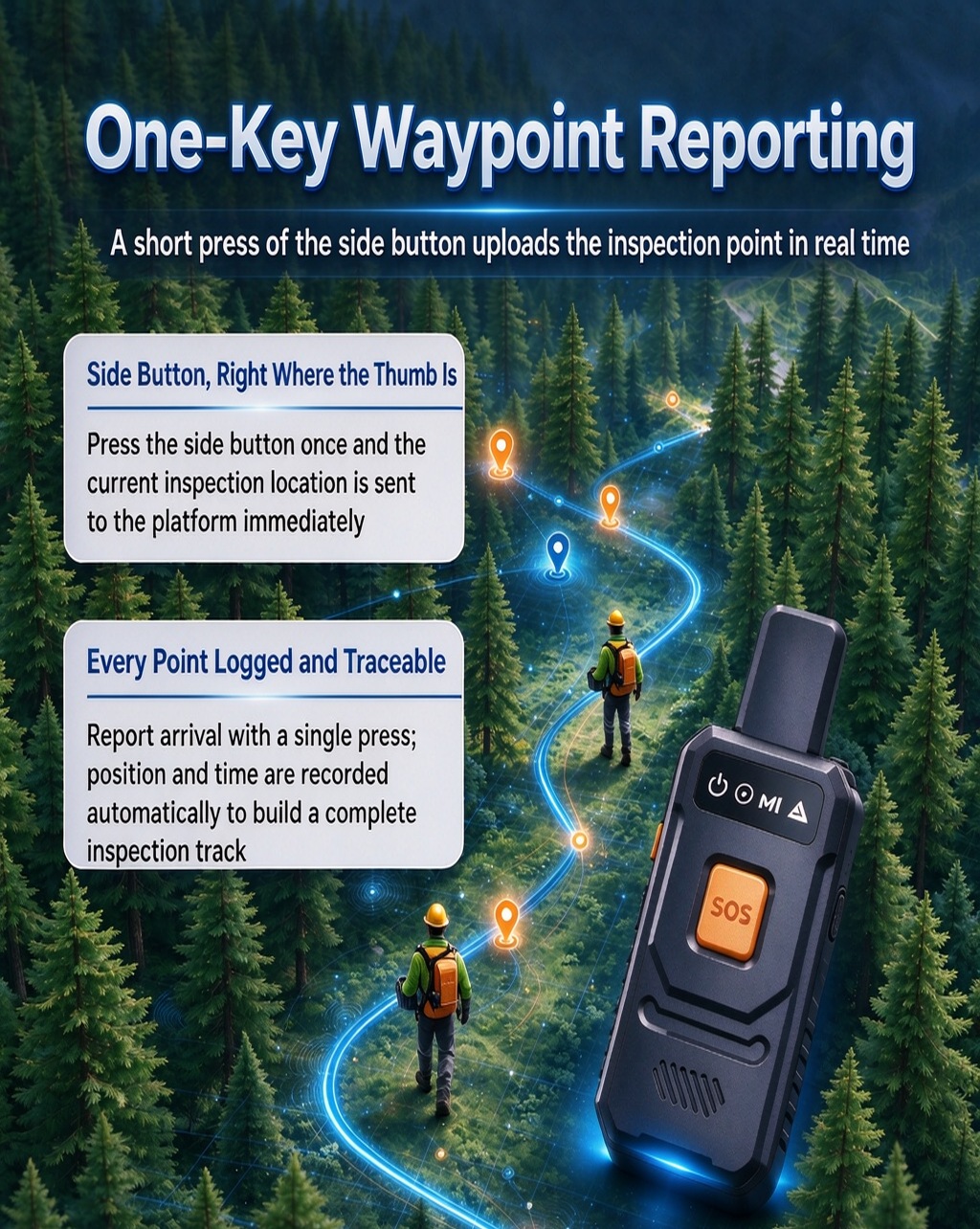
The feature that decides whether a device gets used is not accuracy — it is how many actions the operator has to perform. On the P17, one short press of the side key sends the current point to the platform. Position and time are recorded automatically, so a shift produces a complete track without anyone typing a coordinate.
That matters more than it sounds. Inspection data quality correlates with how little the operator has to think about the tool. Every extra screen, menu or manual entry is a place where the record quietly degrades. This is the same argument we make for positioning in power grid inspection: the measurement has to survive a cold morning and a gloved hand, or it will not survive at all.
An SOS That Reaches Someone
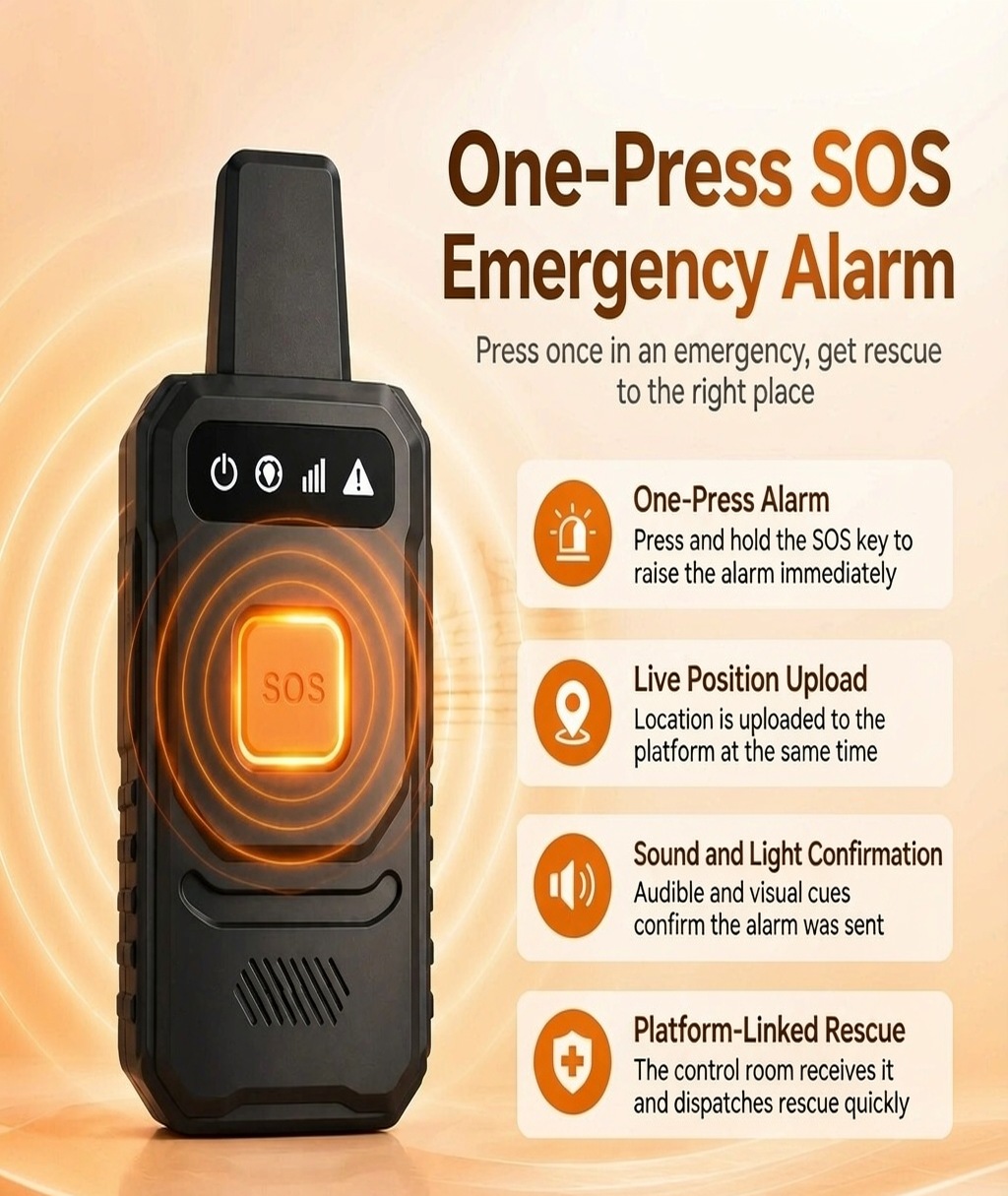
Lone-worker rules are easy to write and hard to satisfy. Pressing and holding the SOS key raises the alarm and uploads the position at the same time, so the control room receives a place, not just a panic signal. Sound and light confirmation tells the operator the alarm actually went out — a detail that matters when the network is marginal and the worker needs to know whether to keep trying.
A short press of the same key triggers TTS voice broadcast through a built-in 2 W speaker at 90 dB, which is loud enough to be heard over machinery, wind and traffic.
Indoor Is Where Most Tracks Break
Outdoor accuracy gets the attention, but the breaks in a real inspection track usually happen indoors — a substation building, a pump house, a tunnel, a container office. Satellite signals stop, and the track simply ends. The P17 falls back to BLE 5.2 indoor positioning at 3–5 m, which is coarse but continuous: the record keeps a position instead of dropping a hole.
Teams that rely on continuity rather than precision often pair this with sensor fusion, the approach described in IMU fusion in GNSS-denied environments.
Built for a Full Shift
A 3200 mAh cell runs the terminal for over 17 hours in RTK mode, covering a full shift plus travel. The body is IP67 sealed, survives a 1.5 m drop and works from −20 °C to +65 °C. Magnetic charging and the belt clip are small details, but they decide whether the device is still being carried months later.
X11P: Correction Where There Is No Network
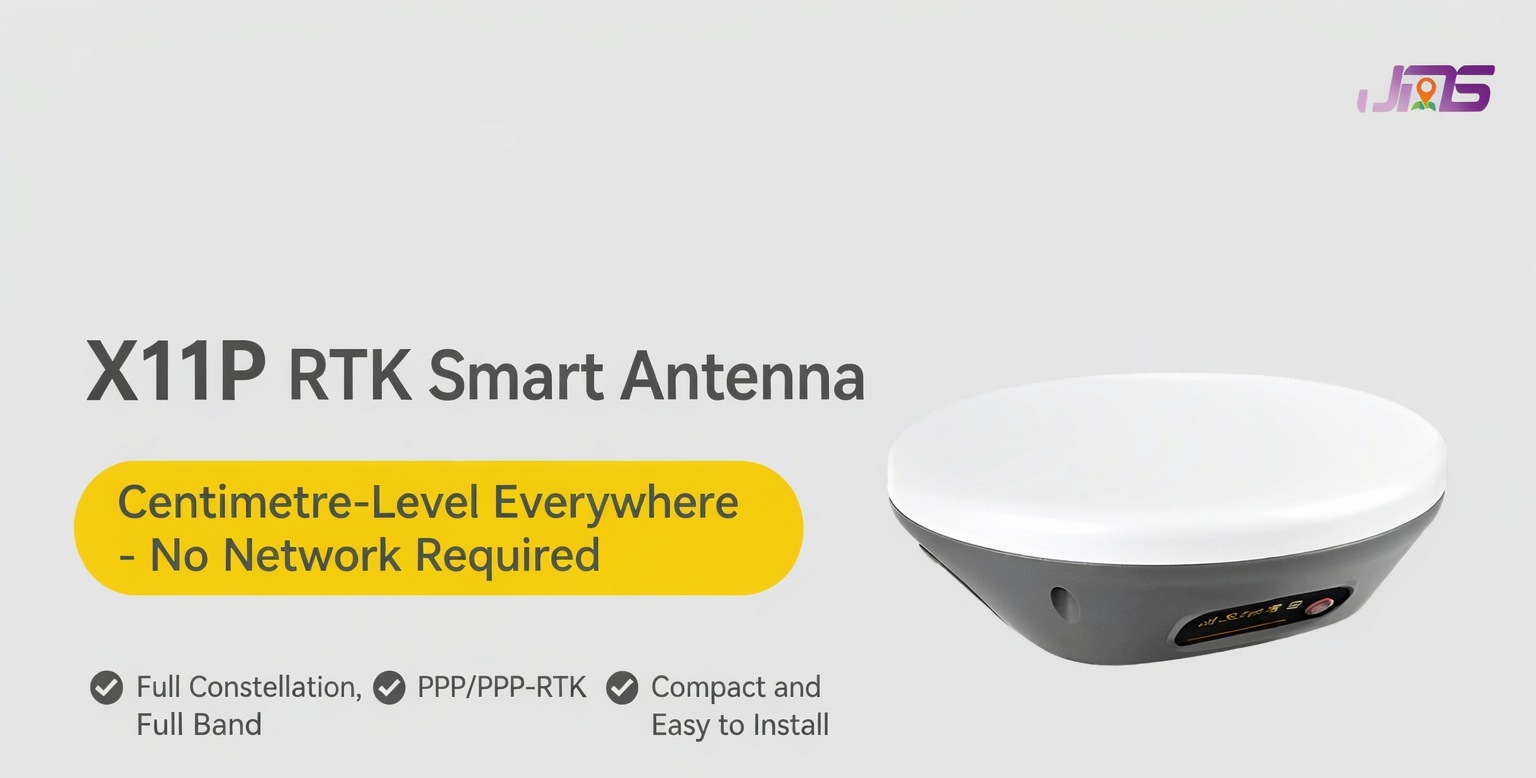
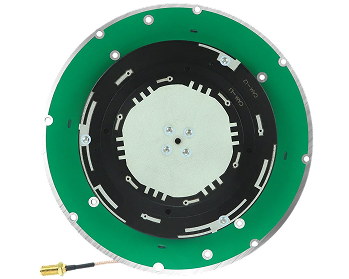
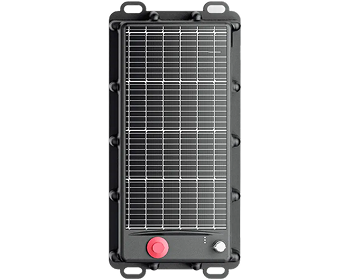
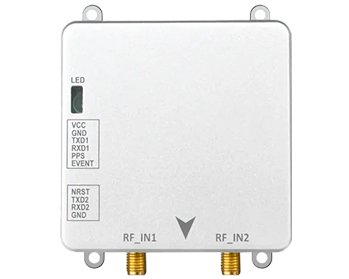
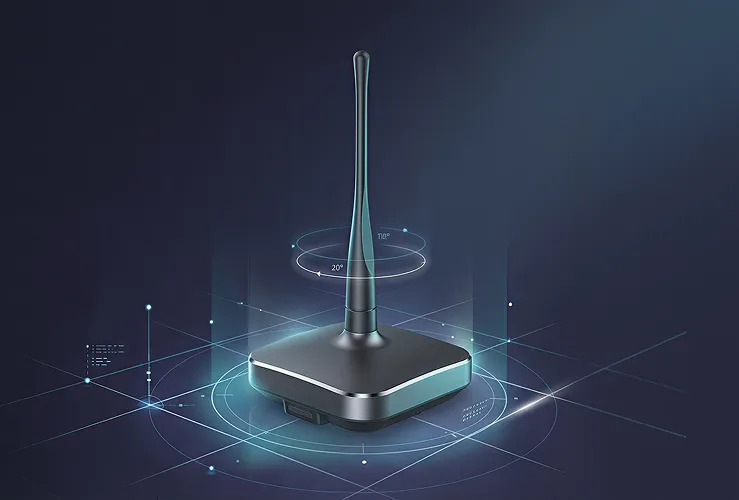
Centimetre positioning normally assumes a nearby base station or a CORS subscription with mobile coverage to reach it. Forestry, long pipeline sections and open-pit sites routinely fail both assumptions. The X11P is designed for exactly that case: full constellation, full band reception with PPP and PPP-RTK correction delivered without a local base or a continuous data link, in a compact housing that installs easily.
Choosing between correction methods is a separate decision with its own trade-offs — latency against coverage against infrastructure — and the comparison in RTK vs PPK correction methods is the place to start.
Six Deployments
| Deployment | What gets recorded |
|---|---|
| Railway | Track-side and catenary walk-downs tied to a chainage, not a memory |
| Oil and gas pipeline | Valve and marker positions along long, unstaffed sections |
| Forestry | Patrol routes under canopy, where correction coverage is weakest |
| Port | Yard and quay inspections tied to existing port positioning |
| Airport | Apron and perimeter checks alongside ground support vehicle tracking |
| Mining | Haul road and pit inspections where a lone worker rule applies |
Integration Without Another Integration Project
Devices that need a custom middleware layer stall before they scale. The P17 speaks MQTT and JT808-2013 out of the box, which is what most dispatch and supervision platforms in these sectors already consume. For projects with a domestic sourcing requirement, a single-BeiDou mode is available.
Availability
The P17 handheld RTK terminal and the X11P RTK smart antenna are now available. Sample requests and volume pricing are handled directly by the JUMPSTAR team.
Evaluating the P17 for a crew?
Tell us the terrain, the shift length and the platform you need to feed, and our engineers will tell you straight whether a handheld RTK terminal is the right tool — including the cases where it is not.
.png?imageMogr2/format/webp)
.png?imageMogr2/format/webp)